
If you’ve ever poured a glass of tap water and hesitated before drinking it, you’re not alone. Between aging municipal pipes, private well contamination, and the growing list of contaminants regulators are only beginning to track — like PFAS “forever chemicals” — more homeowners are asking the same question: what’s the best home water filter for my situation?
The honest answer is that there isn’t one universal winner. The best home water filters depend on what’s actually in your water, how much you’re willing to spend, and whether you want a simple pitcher or a whole-house solution. Below, I’ll walk through the main categories, what each one actually removes, and how to figure out which fits your home.
Start With a Water Test, Not a Product
Before buying anything, test your water. This is the step most people skip, and it’s the one that matters most. A basic at-home test kit (around $15–$30) checks for pH, hardness, chlorine, and lead. If you’re on a private well, get a more thorough lab test — well water can carry bacteria, nitrates, and arsenic that city water typically doesn’t.
Best Home Water Filters Knowing your specific contaminants turns filter shopping from guesswork into a targeted decision. A carbon filter that’s excellent at improving taste and odor won’t touch fluoride or arsenic. A reverse osmosis system that strips out nearly everything also removes beneficial minerals, which matters to some people and not others.
Pitcher and Countertop Filters
For renters, apartments, or anyone testing the waters (pun intended) before committing to a bigger system, pitcher filters remain the easiest entry point. Brands like Brita and PUR use activated carbon to reduce chlorine taste, some heavy metals, and common contaminants. They’re inexpensive — usually $20–$40 for the pitcher plus $5–$8 per replacement filter — and require zero installation.
The tradeoff is capacity and thoroughness. Pitchers filter slowly, hold limited water, and won’t remove things like fluoride, bacteria, or dissolved solids. They’re a solid choice for improving taste on already-safe municipal water, not a solution for serious contamination concerns.
Faucet-Mounted and Under-Sink Filters
Faucet-mounted filters attach directly to your tap and offer a step up in convenience over pitchers, since you don’t need to refill anything — just switch a lever. They typically cost $30–$70 and use similar carbon-based filtration.
Under-sink systems go a level further. Installed beneath the sink with a separate faucet on the countertop, these systems often combine multiple filtration stages — sediment, carbon, and sometimes a specialty cartridge for lead or cysts. Expect to pay $150–$400 installed, with better flow rates and higher contaminant reduction than anything that sits on your counter. For a family that wants clean drinking and cooking water without overhauling their whole plumbing system, this is often the sweet spot.
Reverse Osmosis (RO) Systems
Reverse osmosis is the gold standard when contamination is a real concern — think fluoride, arsenic, nitrates, or a long list of dissolved solids. RO systems push water through a semi-permeable membrane that blocks nearly everything except water molecules, typically removing 95–99% of contaminants.
Home RO units usually cost $200–$600, plus installation if you don’t do it yourself, and they do produce some wastewater in the process (roughly 3–4 gallons discarded per gallon filtered, though newer models are more efficient). They’re also slower than a straight tap, so most under-sink RO systems include a small storage tank.
If your water test comes back with anything beyond basic taste-and-odor issues, RO is worth the investment. Just remember that it strips out minerals like calcium and magnesium along with the bad stuff, so if mineral content matters to you, look for a system with a remineralization stage.
Whole-House Filtration Systems
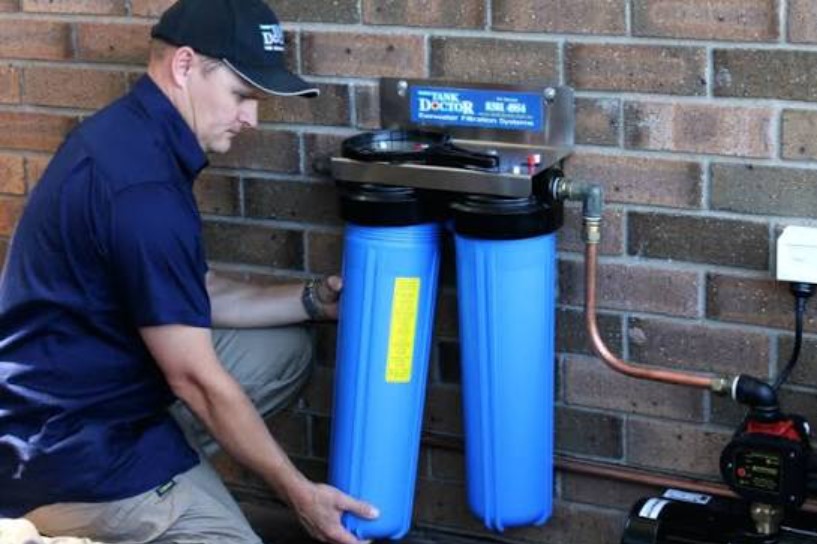
Best Home Water Filters with heavily chlorinated water, hard water buildup, or well water with sediment and iron, a whole-house system installed at the main water line treats every tap in the house — including showers and washing machines. These range from $500 for basic sediment and carbon setups to $2,000+ for combined systems with water softening.
This is a bigger commitment, both financially and in terms of installation (often requiring a plumber), but it solves problems pitcher and faucet filters simply can’t touch, like scale buildup in appliances or chlorine irritation in showers.
What Actually Matters When Comparing Filters
Look past marketing claims and check for NSF/ANSI certification — specifically NSF/ANSI 42 (aesthetic effects like taste and odor), NSF/ANSI 53 (health effects like lead and cysts), and NSF/ANSI 58 for reverse osmosis systems. These are the closest thing to an independent seal of approval, and any manufacturer worth trusting will list which standards their product meets.
It’s a similar mindset to shopping for the best home insurance policy — the flashiest option isn’t automatically the right one. You compare coverage against your actual risks, not just the price tag. The same logic applies here: match the filter to your water test results, not to whichever brand has the biggest marketing budget.
Making the Right Choice for Your Home
If you’re renting or just want better-tasting tap water, a pitcher or faucet filter covers the basics affordably. If your water test flags specific contaminants like lead or fluoride, an under-sink or RO system gives you real protection. And if hard water or chlorine is affecting your whole house — pipes, appliances, skin — a whole-house system is the long-term fix.
There’s no single “best” pick that works for every household. The best home water filter is the one that matches your actual water quality, your budget, and how much filtration you genuinely need. Test first, then shop — in that order — and you’ll avoid paying for capabilities you don’t need or missing protection you do.
