
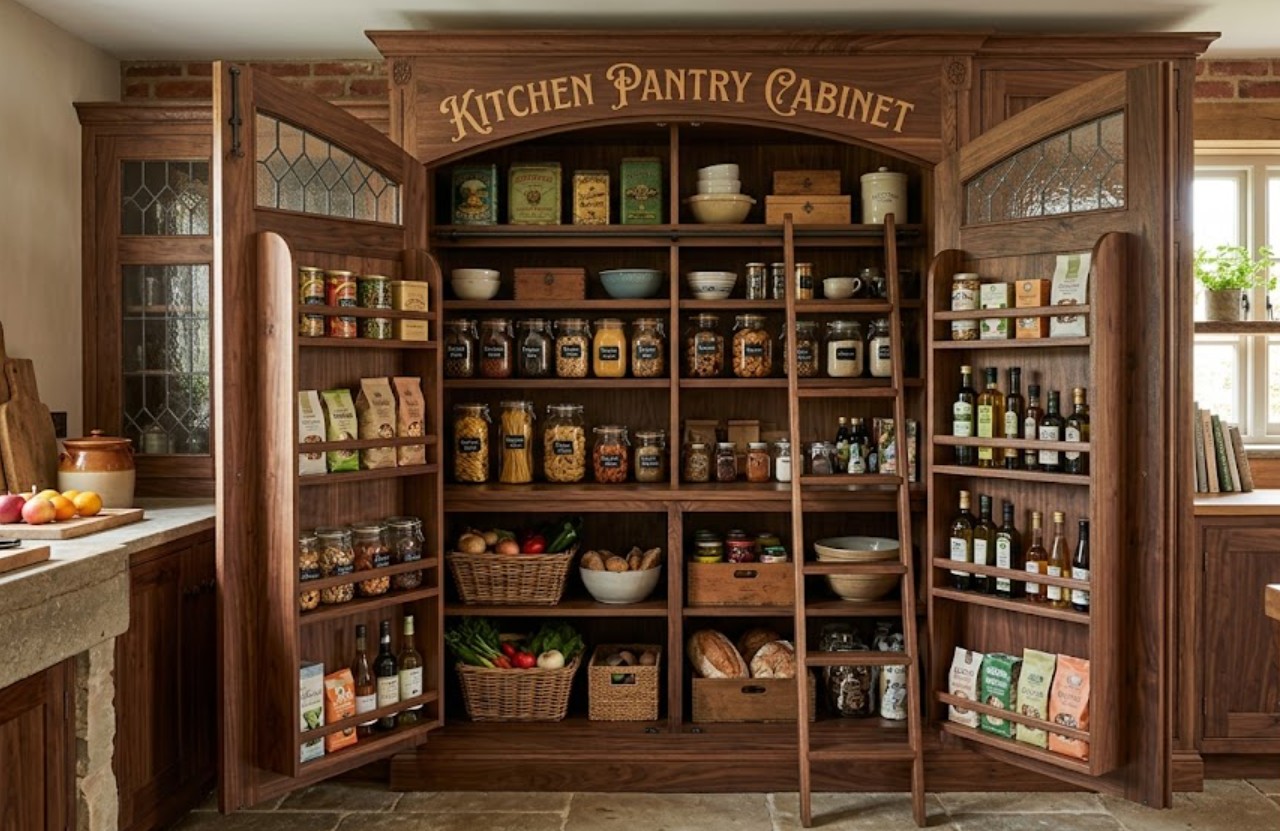
A clean kitchen is not only about beautiful counters or modern appliances. It also depends on how well everyday items are stored. When cereal boxes, spice jars, cans, snacks, oils, and baking supplies are spread across different cabinets, the kitchen quickly feels crowded. A kitchen pantry cabinet helps solve this problem by giving food and kitchen essentials one proper place.
The best kitchen pantry cabinet is the one that fits your space, cooking habits, and storage needs. Some homes need a tall built-in unit with adjustable shelves. Others may work better with a freestanding pantry, a slim pull-out cabinet, or a cabinet designed for both food and small appliances. The goal is simple: make your kitchen easier to use and keep it organized without adding clutter.
Why a Kitchen Pantry Cabinet Makes Organization Easier
A kitchen pantry cabinet creates a dedicated storage zone for items that are often hard to manage. Dry foods, snacks, pasta, rice, flour, canned goods, sauces, and extra supplies can quickly take over drawers and countertops. When these products are stored in one cabinet, the kitchen feels calmer and more practical.
It also saves time during daily cooking. Instead of opening several cabinets to find one ingredient, you can keep similar items together. This makes meal preparation faster and reduces the chance of buying items you already have. A well-organized pantry cabinet helps you see what is available, what is running low, and what needs to be used first.
Another benefit is better use of vertical space. Many kitchens have limited floor area, especially in apartments or smaller homes. A tall pantry cabinet can store a large amount without spreading items across the room. This makes it useful for both compact kitchens and larger open-plan spaces.
A pantry cabinet can also improve the look of the kitchen. Clear counters make the room feel cleaner and more spacious. When extra food, appliances, and storage containers are hidden behind cabinet doors, the kitchen looks more polished without losing function.
Best Types of Kitchen Pantry Cabinets for Different Homes
A tall pantry cabinet is one of the most common choices. It usually reaches close to full cabinet height and offers several shelves inside. This type works well for families, regular home cooks, and anyone who stores a mix of dry goods, jars, bottles, and small kitchen items. Adjustable shelves make it even more useful because you can change the height based on what you store.
A freestanding kitchen pantry cabinet is a good option when you do not want a full renovation. It can be placed against an empty wall, near the dining area, or beside existing kitchen cabinets. This type is useful for renters or homeowners who want extra storage without changing the kitchen structure. The main thing to check is stability, especially if the cabinet is tall.
A pull-out pantry cabinet is ideal for narrow spaces. It uses slim vertical storage and slides out so you can see items from both sides. This design is helpful when a normal cabinet would be too wide or too deep. It works especially well for spices, bottles, jars, sauces, and smaller packaged foods.
Built-in pantry cabinets are best for a seamless kitchen design. They match the rest of the cabinetry and create a clean, fitted look. Some built-in designs also include drawers, pull-out trays, appliance storage, or hidden sections. For people planning a remodel, this option usually gives the most polished result.
How to Choose the Right Size, Material, and Storage Features
Before buying a pantry cabinet, measure the space carefully. Check height, width, depth, nearby doors, appliance openings, and walking space. A cabinet may look perfect online but become frustrating if it blocks movement or makes the kitchen feel tight. The right size should offer enough storage without disturbing the kitchen’s natural flow.
Depth is especially important. A deep cabinet can hold more, but items may get lost at the back if the shelves are not planned well. Pull-out drawers or roll-out trays help solve this issue. For a smaller kitchen, a shallower cabinet may be easier to use because everything stays visible and within reach.
Material quality also matters. Solid wood, plywood, MDF, laminate, and particleboard are common options, but they do not perform the same way. Stronger construction is better for a pantry cabinet because stored food, cans, bottles, and appliances can become heavy. If you want more guidance on cabinet materials and construction, this kitchen cabinet buying guide from Lowe’s gives a practical overview of common cabinet options.
Useful features can make a simple cabinet much more effective. Look for adjustable shelves, soft-close hinges, pull-out trays, door racks, and strong drawer slides. These details may seem small, but they affect daily use. A pantry cabinet should not only store more items. It should also make those items easy to see, reach, and return to the right place.
Smart Ways to Organize a Kitchen Pantry Cabinet
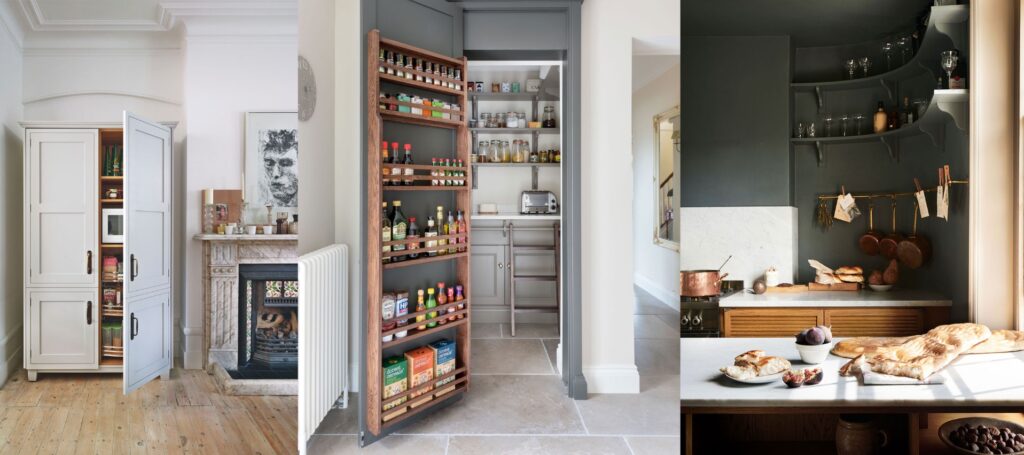
The best way to organize a kitchen pantry cabinet is to create zones. Keep breakfast items together, baking supplies together, snacks together, and cooking basics together. This simple method makes the cabinet easier to use because every shelf has a clear purpose. It also helps other family members put things back correctly.
Place everyday items at eye level. These may include tea, coffee, cereal, rice, pasta, snacks, or cooking oils. Less-used items can go on higher shelves, while heavy items should stay lower for safety and easier lifting. This layout makes the cabinet more practical and reduces the need to move items around every day.
Clear containers can help, but they should be used wisely. They are useful for flour, sugar, rice, pasta, lentils, and snacks, especially when original packaging becomes messy. However, not everything needs to be transferred into containers. The goal is better organization, not creating extra work.
Labels are also helpful when several people use the kitchen. Simple labels for baking, snacks, canned goods, breakfast, and spices can keep the system clear. You can also use baskets or bins for small items that tend to fall over. This keeps shelves tidy and prevents small packets from disappearing behind larger products.
Common Mistakes to Avoid Before Buying
One common mistake is choosing a pantry cabinet based only on appearance. A cabinet may look stylish, but it still needs to work for your kitchen. If the shelves are fixed, the depth is awkward, or the doors block nearby appliances, it may become inconvenient after a few weeks of use.
Another mistake is buying a cabinet that is too large for the space. Bigger does not always mean better. A bulky cabinet can make a kitchen feel crowded and reduce walking space. It is better to choose a cabinet that fits comfortably and offers smart internal storage.
People also forget to think about weight. Pantry cabinets often hold canned goods, bottles, jars, and appliances. Weak shelves may bend over time if they are overloaded. Check shelf strength, hardware quality, and overall construction before making a final decision.
Safety should not be ignored either. Tall freestanding cabinets should be stable and properly secured when needed. Heavy items should be stored on lower shelves, not at the top. This is especially important in homes with children or pets.
Conclusion
The best kitchen pantry cabinet is not simply the largest or most expensive one. It is the cabinet that fits your kitchen layout, stores your daily essentials clearly, and makes cooking easier. A good pantry cabinet should improve both organization and comfort.
Before choosing one, consider size, material, shelf layout, access, and safety. Tall cabinets, pull-out units, freestanding designs, and built-in pantry cabinets can all work well when matched to the right space. With smart organization, your pantry cabinet can turn a busy kitchen into a cleaner and more efficient room.
FAQs
1. What is a kitchen pantry cabinet used for?
A kitchen pantry cabinet is used to store dry food, canned goods, spices, snacks, baking items, oils, and extra kitchen supplies in one organized place.
2. Is a freestanding pantry cabinet a good option?
Yes, a freestanding pantry cabinet is useful if you need extra storage without remodeling. It is also a practical choice for renters or budget-friendly kitchen upgrades.
3. What should I store in a kitchen pantry cabinet?
You can store pasta, rice, flour, cereal, spices, sauces, snacks, canned foods, tea, coffee, and small kitchen appliances, depending on the cabinet size.
4. How do I organize a deep pantry cabinet?
Use pull-out trays, clear bins, baskets, and labels. Keep daily items at eye level and place heavy products on lower shelves for easier access.
