
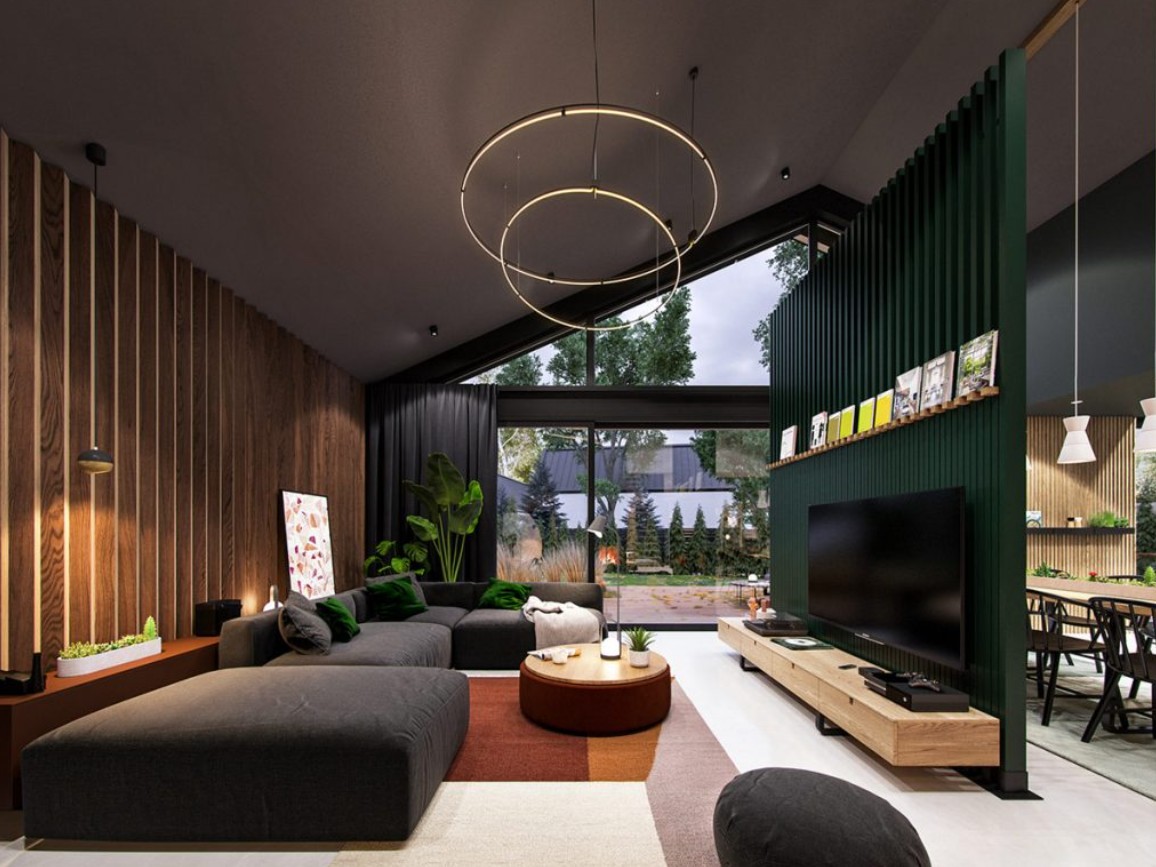
I want to start with something a little uncomfortable. Most of us spend years sometimes decades living in homes that don’t actually suit us. We move furniture around occasionally, buy new curtains when the old ones get boring, maybe splurge on a new sofa every few years. And yet somehow, the space still doesn’t feel right. Something’s always slightly off. The room looks fine in photos but feels wrong when you’re actually sitting in it at 7pm on a Tuesday. That gap between a home that looks okay and a home that genuinely feels good is where inner space craft lives. And once someone explains it to you properly, you’ll wonder how you ever missed it.
So let’s actually talk about it not in a vague “create a mood board” way, but in a real, practical, this-is-what-you-do-next way.
First, Forget What You Think Inner Space Means
When most people hear “inner space craft” in the context of a home, they assume it means something mystical or expensive. It doesn’t. At its core, inner space craft is just the skill of reading what a room is already doing and then working with that rather than against it.
Here’s what I mean. Every room has a natural focal point a fireplace, a window, a built-in shelf. It has a natural light source. It has a direction that people naturally face when they walk in. These things already exist whether you acknowledge them or not. Inner space craft is the practice of noticing them and then making decisions that work with those realities instead of ignoring them.
A sofa placed with its back to the only window in a room is working against the inner space. A dining table crammed into a corner because “that’s where it fits” is ignoring what the room is asking for. These aren’t stylistic problems they’re spatial ones. And spatial problems need spatial thinking to fix them.
The Thing About Light That Nobody Tells You
Here’s something most people learn the hard way: you can spend thousands on the perfect sofa, the perfect rug, the perfect art and if the lighting is wrong, none of it will look good. Light isn’t a finishing touch. It’s actually the first decision.
Which direction do your windows face? This matters more than most people realize. North-facing rooms get a cool, flat light that stays pretty consistent throughout the day. It’s great for art studios, actually no glare, no harsh shadows. But for a living room or bedroom it can feel cold and a bit lifeless. The fix is warm-toned bulbs, layered at different heights. Not a single overhead fixture blasting down from the ceiling that’s the worst possible solution for a room that already feels cool.
South and west-facing rooms get the opposite problem too much of a good thing. Beautiful warm afternoon light, sure, but blinding glare on screens and faded upholstery if you don’t manage it. Sheer curtains that diffuse rather than block are your friend here. Let the light in, just soften the edges.
And then there’s artificial light. Here’s the blunt truth: one overhead light in a room is not a lighting scheme. It’s just a light switch. Real inner space craft means layering ambient light from above, task light where you work or read, accent light to highlight a corner or a shelf. Three sources minimum. When you get this right, the same room at 8pm looks completely different than it did before warmer, more dimensional, more like somewhere you’d actually want to spend time.
Why Emptiness Is Harder Than It Looks
This is the part people struggle with the most, honestly. We’re conditioned to equate fullness with effort a room with lots of things in it looks like someone cared. A room with breathing space looks unfinished, maybe even lazy. But that’s completely backwards.
Negative space the deliberate gaps, the clear surfaces, the open floor area is one of the hardest things to maintain in a home. Because life keeps filling it in. A surface gets cleared and within two weeks there are keys and mail and a phone charger and somehow a candle on it. That’s not a character flaw. That’s just how homes work. But the homes that consistently feel calm and beautiful are the ones where someone keeps fighting that battle keeps editing, keeps clearing, keeps protecting the empty spaces.
Try this: pick one surface in your home and empty it completely. Not reorganize it empty it. Leave it bare for a week. Notice how the room feels different. That difference? That’s what negative space does for inner space craft.
Room by Room What Actually Needs to Change
Let’s get specific, because vague advice about “curating your space” helps nobody.
Living Room
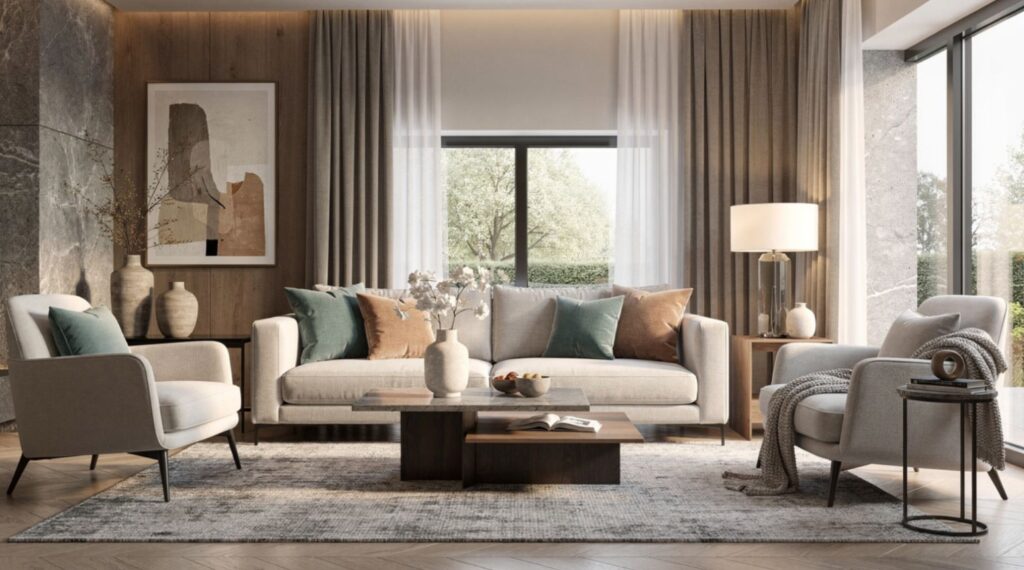
The single most transformative change you can make to most living rooms costs nothing: pull the furniture away from the walls. I know it feels counterintuitive. It feels like it should make the room smaller. It doesn’t. Floating furniture creates a conversation zone in the center of the room and makes the walls feel further away, not closer. Try it before you dismiss it. Also your rug is almost certainly too small. The front legs of every piece of seating should sit on it. If they don’t, size up.
Kitchen
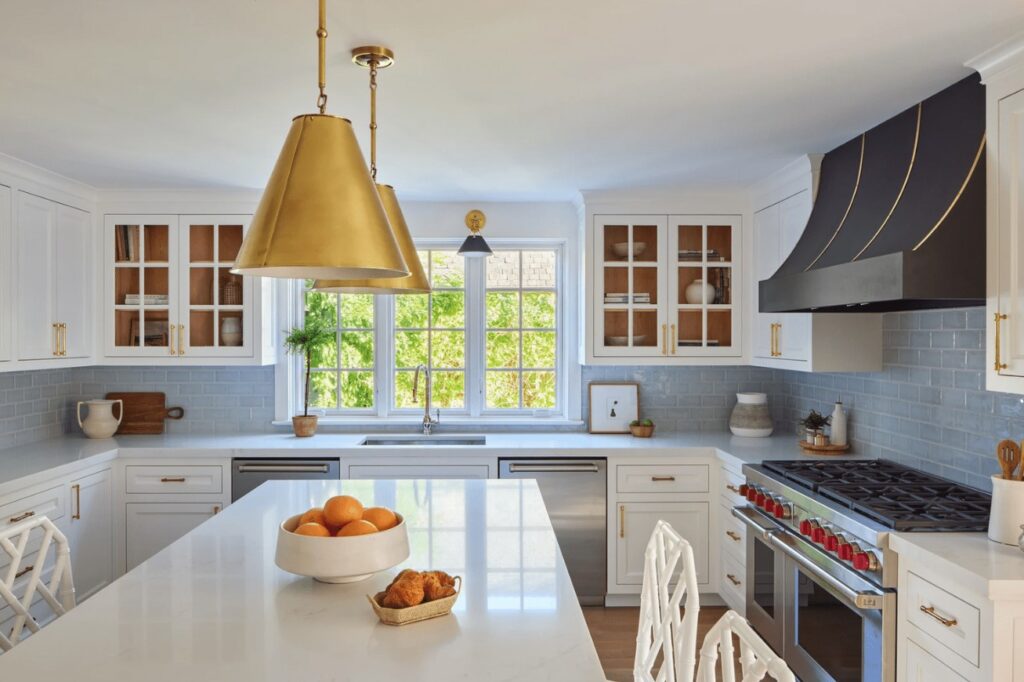
Counter clutter is the enemy of kitchen inner space craft. And the rule is simple: if you don’t use it every single day, it doesn’t live on the counter. Toaster, kettle, coffee machine fine, if they’re daily. Everything else finds a home in a cabinet. This one edit makes more difference than any new appliance or renovation. While you’re at it: look up. The vertical space in most kitchens is almost entirely wasted. A hanging rail for pots, a wall-mounted magnetic strip for knives, open shelving for everyday dishes these reclaim inner space you didn’t know you had.
Bedroom
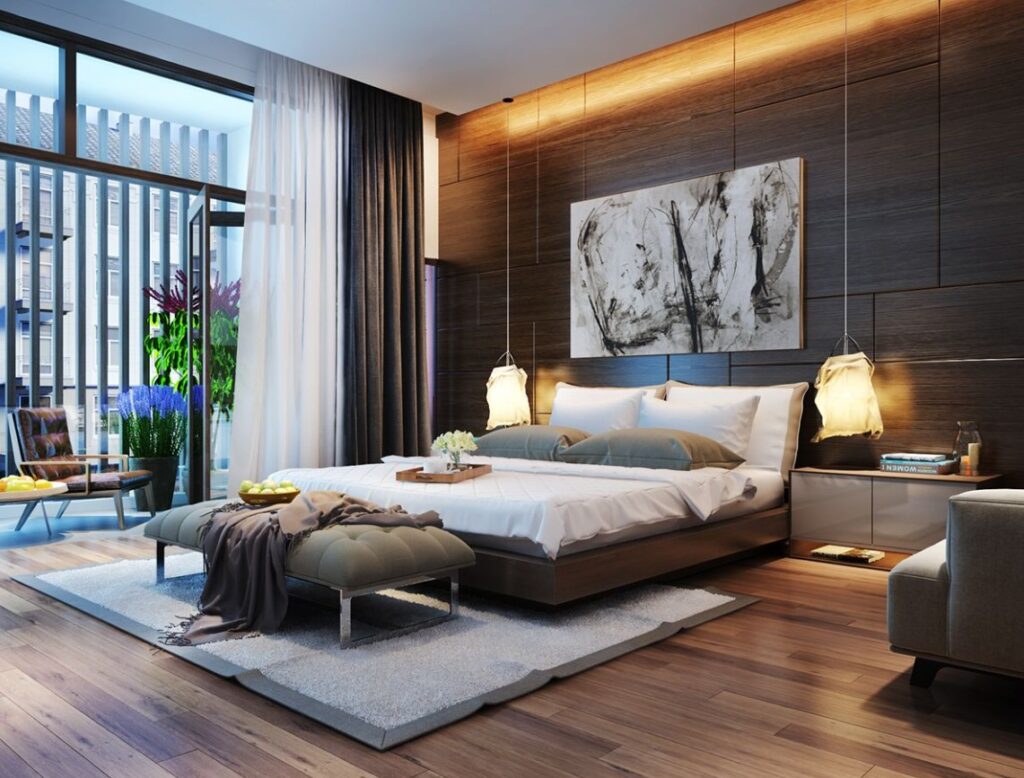
The bedroom has one job: help you rest. Everything in that inner space should serve that goal, and anything that doesn’t should probably leave. Screens are the obvious one but beyond that, think about what’s on your bedside table. If it’s a pile of five books, a water bottle, two empty glasses, a phone charger, and some receipts from three weeks ago, your brain is registering that clutter even when you close your eyes. Keep it simple. One lamp. One book. One glass of water. That’s a bedside table that serves the inner space well.
The Spaces People Always Forget
Under the stairs. The landing at the top of them. The awkward corner in the hallway. The bit of wall between two doors. These forgotten spots are where some of the best inner space craft happens because nobody’s touched them yet. A mirror on that weird hallway wall suddenly makes the corridor feel twice as wide. A built-in shelf under the stairs becomes a library or a home office or a display space. The spaces that get ignored the longest often have the most potential.
Scale Kills More Rooms Than Bad Taste Ever Did
Bad taste gets blamed for a lot of uncomfortable rooms. But honestly? Scale is the real culprit most of the time. A sofa that’s six inches too wide for a room. A dining table that seats eight in a space that really wants six. A tiny bedside lamp in a bedroom with twelve-foot ceilings. These mismatches create a low-level visual dissonance that people feel but can’t name.
The quick test: stand in the doorway of any room and look at it as if you’ve never seen it before. Does the furniture look like it belongs in that space, or does it look like it was moved from somewhere else and never quite found its footing? If it’s the latter something’s off scale. Usually removing one piece, or swapping one large item for a smaller one, fixes the whole picture.
One Room. One Week. See What Happens.
You don’t need to overhaul your whole home. You really don’t. Inner space craft isn’t a project with a start and end date it’s more like a habit of attention. You start noticing things. You start making small adjustments. And those adjustments compound over time into a home that genuinely reflects how you want to live.
So here’s what I’d suggest: pick the room that bothers you most. The one where something’s been off for years and you’ve just learned to ignore it. Spend twenty minutes in it no phone, just looking. Ask yourself where the light is actually coming from. Ask yourself whether the furniture makes sense for how you use the room. Clear one surface completely and leave it clear.
Then live with those changes for a week before doing anything else. You’ll be surprised how much just looking really looking at an inner space starts to reveal. The room you want has probably been there all along. You just needed to stop rushing past it long enough to see it.
Good inner space craft doesn’t shout. It just makes you exhale when you walk in.
