
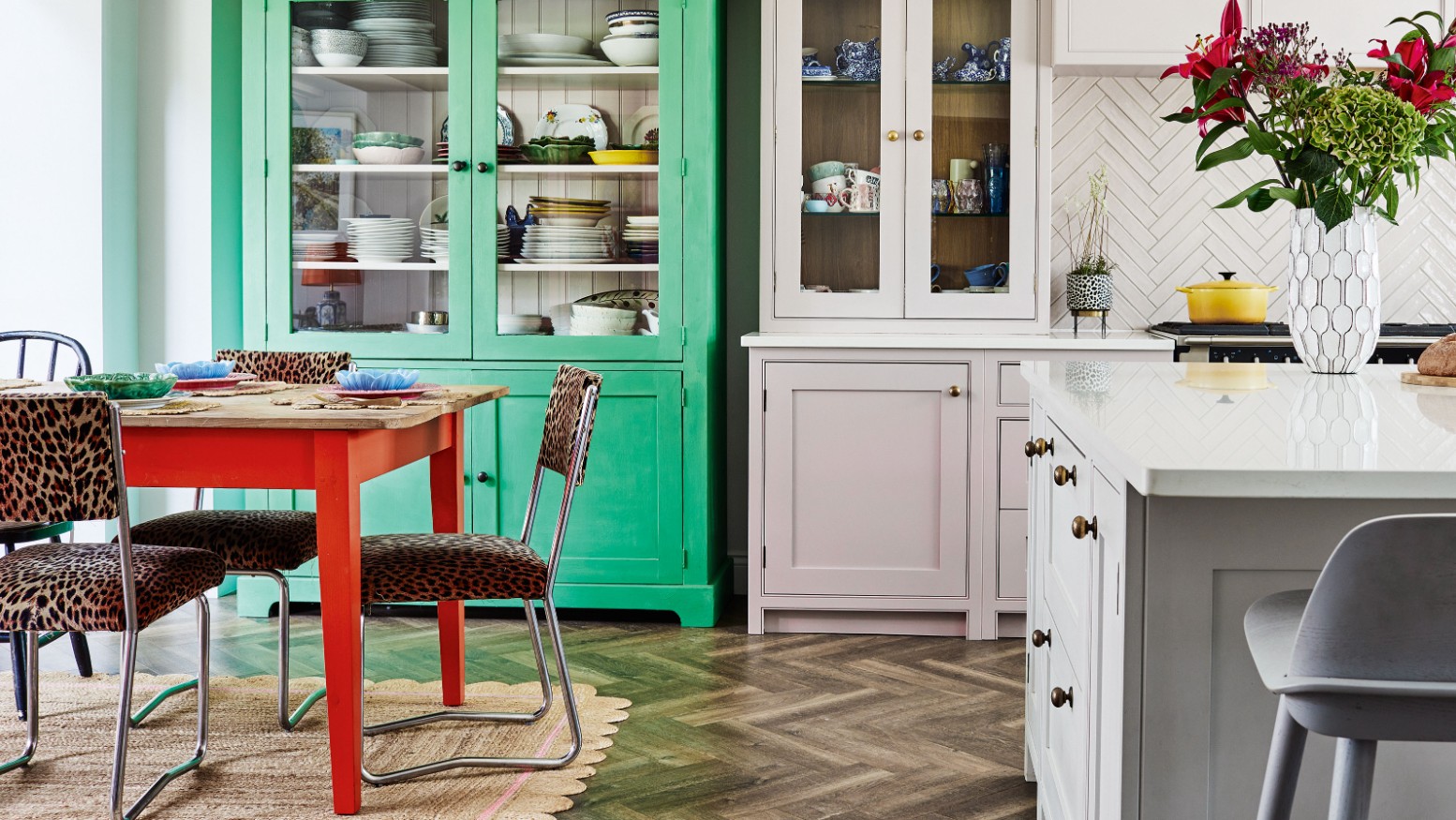
Anyone who has tried to fit a dining set into a cramped kitchen knows the struggle. You want a spot to eat breakfast, sort mail, or help the kids with homework, but you also need room to actually walk around. That’s where a small kitchen table comes in. Done right, it can turn an awkward corner into the most used spot in your home.
I’ve helped several friends furnish tiny apartment kitchens over the years, and I’ve learned that the “right” table has less to do with size charts and more to do with how you actually live. Below is everything I wish someone had told me before my first small-space furniture purchase.
Why a Small Kitchen Table Changes Everything
A lot of homeowners assume a small kitchen means no table at all — just counter stools or a fold-down shelf. But a properly scaled table does something a counter can’t: it creates a gathering spot. Even a two-foot round table with a couple of chairs gives you a place to sit down for coffee instead of eating standing up over the sink.
The trick is proportion. A table that’s too big makes the room feel like an obstacle course. A table that’s too small looks lost and doesn’t actually serve its purpose. Somewhere in between is the sweet spot, and it’s different for every kitchen.
Measuring Before You Shop
Before falling in love with a table online, grab a tape measure. Walk paths need at least 30 to 36 inches of clearance, and you’ll want another 24 inches or so behind each chair so people can pull out and sit down without bumping into a wall or appliance.
For most small kitchens, that means looking at tables in the 30- to 42-inch range, depending on the shape. Round and drop-leaf styles tend to be the most forgiving because they don’t have hard corners jutting into walkways.
Best Shapes for Tight Kitchens
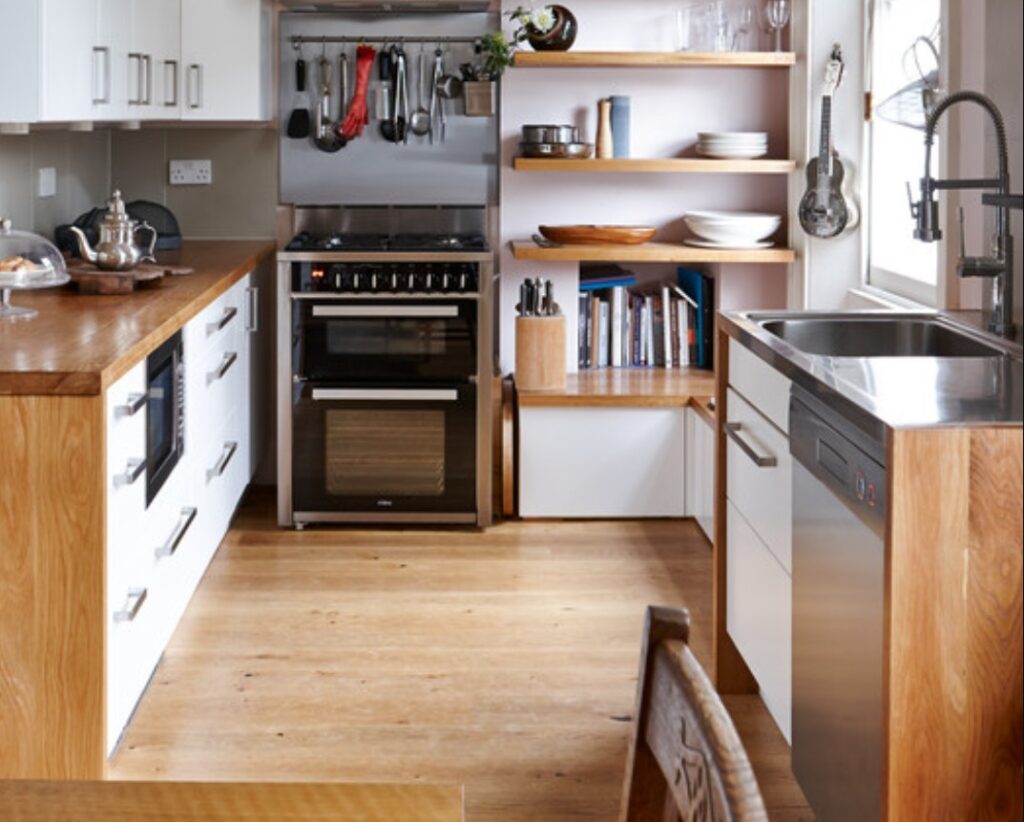
Round tables are usually the top pick for small kitchens. Without corners, they’re easier to navigate around, and they tend to seat people more comfortably in a tight footprint since everyone’s knees have a bit more room.
Drop-leaf tables are the secret weapon of small-space living. Fold it down when it’s just you, flip up a leaf when company comes over. It’s one of the few pieces of furniture that genuinely adapts to your day.
Square bistro tables work well in corners or against a wall, especially in galley-style kitchens where every inch counts.
Console-style or extendable tables are worth a look if you host occasionally but live alone most of the time.
Choosing Small Kitchen Table and Chairs Together
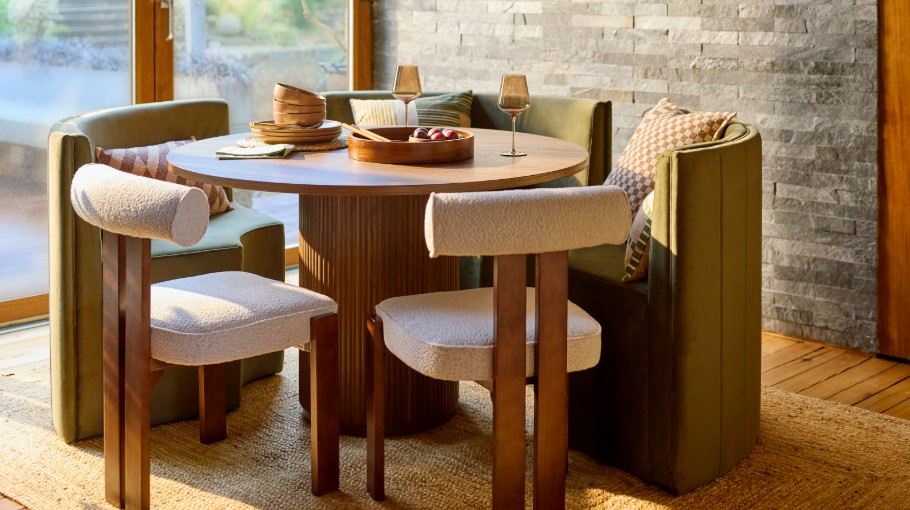
The table is only half the equation — pairing it with the right small kitchen table and chairs makes the difference between a space that feels cramped and one that feels intentional. A few things to keep in mind:
- Skip bulky upholstered chairs. Slim wooden or metal chairs slide in and out easily and don’t visually crowd the room.
- Consider backless stools for one side. Pushing them fully under the table when not in use frees up walking space.
- Match scale, not just style. A chunky farmhouse chair next to a delicate bistro table looks off, even if the finishes match.
- Try mixed seating. A bench on one side and two chairs on the other can save space while still looking put together.
If your kitchen doubles as a workspace or a spot for kids to do homework, chairs with armrests can actually get in the way. Simple, armless designs tend to be more functional in small footprints.
Small Kitchen Paint Colors That Make the Room Feel Bigger
Once the table and chairs are settled, the walls do a lot of the remaining work. The right small kitchen paint colors can make a cramped kitchen feel noticeably more open, while the wrong ones can make it feel like a closet.
Lighter, cooler tones — soft whites, pale sage, light gray, or a gentle blue — reflect more natural light and push the walls back visually. If you want something warmer without losing that airy feeling, a muted cream or soft greige works well too.
Don’t be afraid of a bit of contrast, though. Painting lower cabinets a slightly deeper shade than the walls can add depth without shrinking the room, especially if the upper half stays light. Glossy or semi-gloss finishes also bounce light around more than flat paint, which matters a lot in kitchens that don’t get much natural sunlight.
A good rule of thumb: whatever color you choose for the walls, keep your small kitchen table in a similar tone family — natural wood or a painted finish that complements rather than competes. A stark, dark table against pale walls can look great, but only if it’s an intentional accent rather than an accident.
Real-World Tips From Small Kitchen Owners
A few practical lessons that don’t always show up in design blogs:
- Measure your doorway, not just the room. Getting a table into a small kitchen is sometimes half the battle.
- Choose a table with a light-colored top if the room lacks windows — it reflects more light than dark wood.
- Round tables with a pedestal base (instead of four legs) make it easier to squeeze extra people in during holidays.
- If you’re short on storage, look for a table with a built-in shelf or drawer.
Final Thoughts
Furnishing a small kitchen isn’t about cramming in the smallest possible table — it’s about finding one that fits the way you actually use the space. Pair it with slim, well-scaled small kitchen table and chairs, choose small kitchen paint colors that open up the room, and measure twice before you buy. Do that, and even the tightest kitchen can become a genuinely comfortable place to sit down and eat.
