
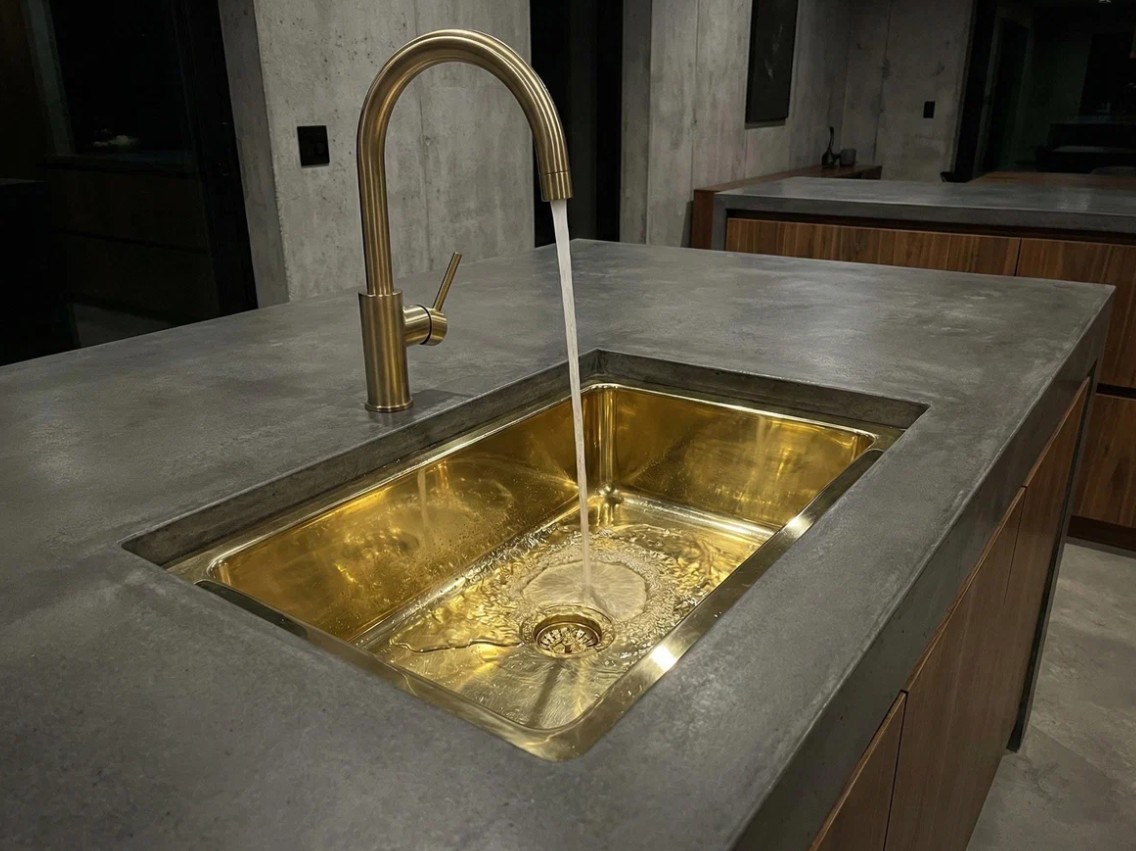
Choosing the right kitchen sink involves more than finding a design that matches your countertops. A sink is one of the hardest-working fixtures in the kitchen, used for washing produce, filling pots, preparing meals, cleaning dishes, and dozens of small daily tasks. Size, bowl configuration, installation method, and material can all affect how practical the sink feels once it is installed.
There is no single option that works best for every household. Stainless steel remains a versatile choice, while fireclay, enameled cast iron, and composite materials offer different looks and maintenance requirements. Installation styles also range from traditional drop-in models to streamlined undermount and farmhouse designs. The best choice is one that fits your cabinet, countertop, cooking habits, and willingness to maintain the surface over time.
What Type of Kitchen Sink Is Best for Your Space?
The main kitchen sink styles include undermount, drop-in, farmhouse, and workstation sinks. An undermount sink attaches beneath the countertop, leaving no raised rim around the basin. This gives the counter a clean appearance and makes it easier to wipe crumbs or water directly into the sink. A drop-in, or top-mount, model sits inside a countertop opening with its rim visible above the surface. Kohler lists top-mount, undermount, farmhouse, and wall-mount designs among its common installation options.
Farmhouse sinks, also known as apron-front sinks, have a visible front panel and often provide a large, deep basin. They can make a strong visual statement but may require compatible or modified cabinetry. Workstation sinks are designed for people who want to use the sink as part of their food-preparation area. Many include integrated ledges that support cutting boards, drying racks, strainers, or other accessories, helping create additional usable workspace in smaller kitchens.
Your existing kitchen should guide the decision. Replacing a sink with a similar mounting style can be simpler than changing the entire configuration, while a major renovation offers more freedom to choose a farmhouse or larger workstation model.
Which Kitchen Sink Material Should You Choose?
Stainless steel is one of the most practical materials for busy kitchens. It has a modern appearance, works with many kitchen styles, and is relatively easy to maintain. Stainless steel also resists corrosion and staining, although scratches and water spots can become visible with use. Manufacturers recommend cleaning stainless steel regularly with nonabrasive materials and avoiding steel wool or wire brushes that can damage the finish.
Other popular options include fireclay, enameled cast iron, granite or quartz composite, and copper. Fireclay is often selected for farmhouse-style kitchens because of its smooth, traditional appearance. Enameled cast iron provides a solid feel and a glossy finish but can be considerably heavier than stainless steel. Composite sinks can offer a stone-like appearance and are available in colors such as black, gray, and brown. Lowe’s lists stainless steel, granite, quartz, fireclay, and composite among common kitchen sink materials.
Maintenance should be considered before choosing a material purely for appearance. For example, Elkay recommends mild cleaning methods for quartz sinks and warns against steel wool and wire brushes because they may harm the finish. A household that wants minimal upkeep may therefore prioritize a different material from someone focused mainly on a particular design style.
Single-Bowl vs. Double-Bowl Kitchen Sinks
A single-bowl kitchen sink provides one uninterrupted basin. This is useful when you regularly wash large frying pans, baking sheets, stockpots, or other oversized cookware. Without a divider in the middle, more of the sink’s total width can be used for a single item. Single-bowl designs are also common in workstation sinks because accessories can span the basin while leaving room underneath for cleaning or food preparation.
A double-bowl sink separates the basin into two sections. The bowls may be equal in size or offset, with one side larger than the other. This configuration can be useful if you like to wash dishes on one side and rinse or prepare food on the other. Kohler notes that double-bowl sinks are designed around different kitchen workflows, while Lowe’s identifies single-bowl, double-equal, and double-offset configurations as common choices.
Neither configuration is automatically better. Large families that frequently handle oversized cookware may prefer a deep single basin, while people who routinely separate washing and rinsing may find two bowls more convenient. Consider how you actually use your current sink rather than choosing only on appearance.
What Size and Installation Style Should You Consider?
Sink size needs to match both the countertop and the base cabinet underneath it. A sink that looks ideal online may simply be too wide or deep for the available cabinet. Home Depot’s current guide describes sinks of roughly 27 to 30 inches as common for average-sized kitchens, while larger options such as 33-inch models are widely available. Smaller sinks can work well where counter or cabinet space is limited.
Accurate measurement is especially important when replacing an existing fixture. Measure the cabinet width and depth, countertop opening, current sink dimensions, and available clearance for plumbing or a garbage disposal. Home Depot provides a useful guide to measuring a kitchen sink before purchasing a replacement. Its guidance specifically recommends checking cabinet depth and total width before deciding what size will fit.
Also consider sink depth. A deeper basin can hide dirty dishes and accommodate taller cookware, but it may require more bending during long cleaning sessions. Faucet height and reach should also suit the basin so that water lands in a useful area without excessive splashing.
How to Choose a Kitchen Sink That Lasts
Durability depends on both the material and how the sink is treated. Before buying, consider how often you cook, what cookware you use, whether children use the sink, and how much maintenance you are willing to perform. Protective accessories such as bottom grids can help reduce direct contact between cookware and the sink surface. Kohler specifically recommends basin racks and rinse baskets as options that can help protect stainless steel surfaces from scratches.
Cleaning habits matter as well. Elkay recommends regular cleaning of stainless steel to limit soap and mineral buildup, while quartz surfaces require cleaning methods appropriate to their finish. Always follow the care instructions supplied by the sink manufacturer rather than assuming one cleaner is safe for every material.
Finally, think beyond the basin itself. Check drain placement, faucet-hole configuration, garbage-disposal compatibility, cabinet support, and included accessories before purchasing. A sink that fits your daily workflow and existing kitchen infrastructure is usually a better investment than one chosen only because it is fashionable.
Conclusion
The best kitchen sink for your home depends on how you cook, clean, and use your available space. Stainless steel is practical for many households, while fireclay, cast iron, and composite materials offer distinct looks and performance characteristics. Single bowls provide room for large cookware, while double bowls can make multitasking easier.
Before making a final choice, measure the cabinet carefully, confirm countertop compatibility, and compare installation requirements. When style, material, size, and daily usability are considered together, you are much more likely to choose a sink that remains functional and attractive for years.
Frequently Asked Questions
What is the most practical kitchen sink material?
Stainless steel is a practical choice for many households because it is durable, corrosion-resistant, widely available, and relatively easy to maintain.
Is a single or double kitchen sink better?
It depends on your routine. Single-bowl sinks provide more uninterrupted room for large cookware, while double-bowl sinks allow washing, rinsing, and food preparation to be separated.
What is a good kitchen sink size?
Around 27 to 30 inches is common for many average-sized kitchens, but the correct size ultimately depends on your base cabinet and countertop space.
Are undermount sinks better than drop-in sinks?
Undermount sinks provide a seamless countertop edge and easier cleanup, while drop-in sinks can be simpler to install. The better choice depends on your countertop, budget, and installation requirements.
