
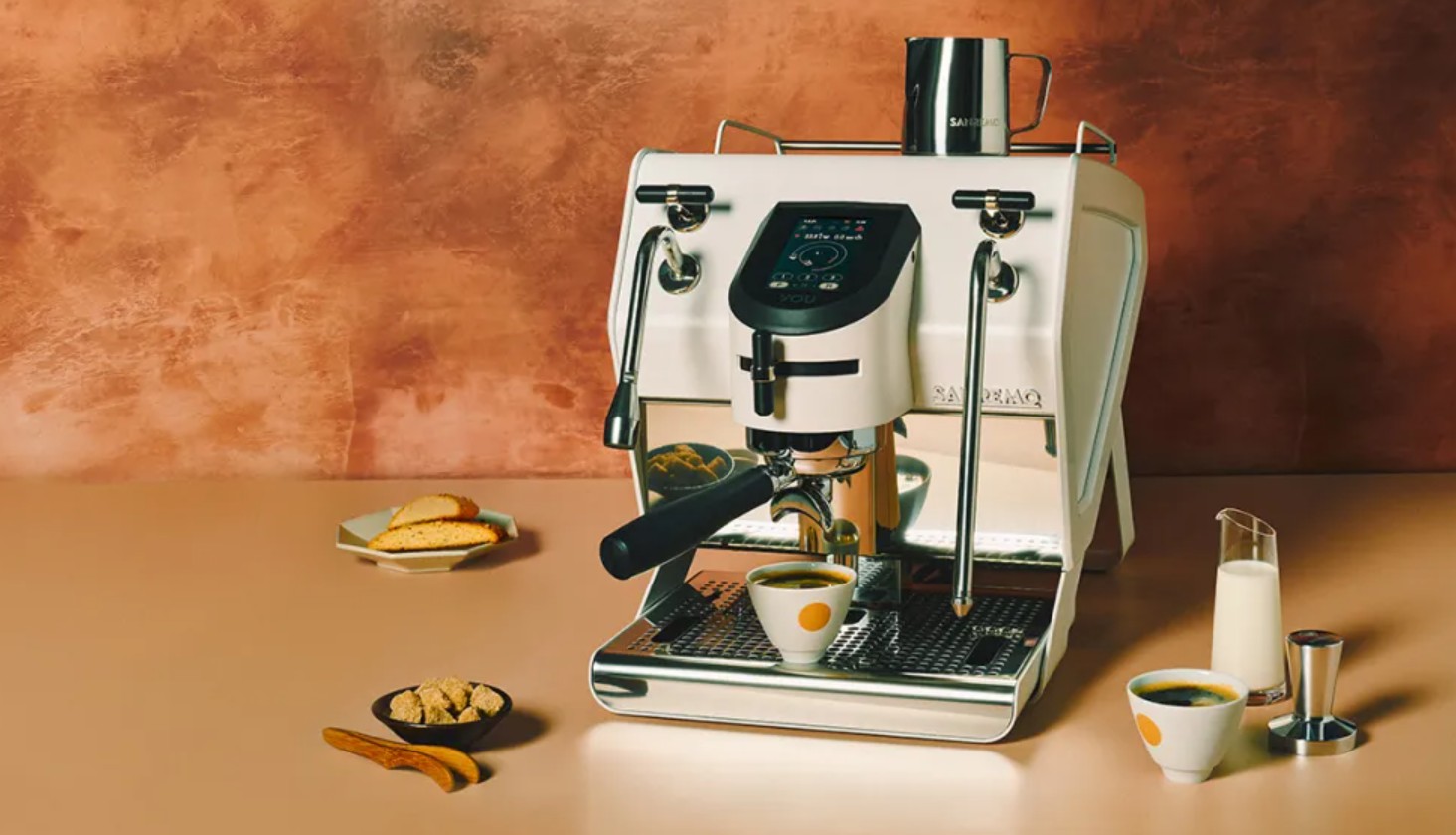
Making café-quality coffee at home is easier than it used to be, but choosing the right espresso machine can still feel complicated. The best home espresso machines in 2026 range from compact beginner-friendly models to advanced machines built for serious home baristas. Popular options include the Breville Bambino Plus, De’Longhi Stilosa, Gaggia Classic Pro E24, Profitec GO, and KitchenAid KF8.
The right machine depends on how involved you want to be in the brewing process. Some people enjoy grinding fresh beans, adjusting the dose, and steaming milk manually. Others prefer pressing one button and having the machine handle most of the work. Your budget, counter space, drink preferences, and willingness to learn espresso technique should all influence your decision.
What Makes a Home Espresso Machine Worth Buying?
A good espresso machine should produce consistent shots without making the process unnecessarily difficult. Temperature stability is one of the most important factors because espresso relies on precise brewing conditions. Machines with reliable heating systems, pre-infusion, or PID temperature control generally make it easier to repeat a good extraction from one cup to the next.
Milk performance also matters if you regularly drink cappuccinos, flat whites, or lattes. Traditional steam wands offer more control, while automatic milk systems are easier for beginners. Everyday usability should not be overlooked either. A removable water tank, accessible drip tray, easy-to-clean steam wand, and straightforward controls can make a major difference when you use the machine every morning.
Best Home Espresso Machines for Different Coffee Drinkers
For most households, the Breville Bambino Plus is one of the strongest all-around choices. It heats quickly, has a compact footprint, and includes automatic milk texturing. It does not include a grinder, but that can actually be an advantage because you can choose a separate grinder that matches your budget and upgrade it later. The Bambino Plus works particularly well for people who want genuine espresso preparation without a steep learning curve.
For buyers on a tighter budget, the De’Longhi Stilosa is a practical entry-level option. It offers a traditional portafilter, manual milk frother, and a relatively simple control layout. It lacks advanced temperature management and premium construction, but it provides a low-cost way to start experimenting with espresso at home before committing to a more expensive machine.
If you want a grinder and espresso machine in one unit, the Breville Barista Express Impress is worth considering. Its built-in grinder, assisted tamping, and guided dosing system simplify several steps that often frustrate beginners. It still requires some hands-on involvement, so it offers a useful middle ground between traditional espresso preparation and complete automation.
Enthusiasts who want more manual control may prefer the Gaggia Classic Pro E24 or Profitec GO. The Gaggia uses a 58 mm commercial-style portafilter and a traditional boiler design, while the Profitec GO adds more advanced temperature control and a higher level of build quality. These machines are better suited to users who enjoy adjusting grind size, dose, temperature, and shot timing rather than relying on automated settings.
For maximum convenience, the KitchenAid KF8 represents the fully automatic end of the market. It grinds beans, prepares espresso, and handles milk-based drinks with minimal input. Buyers can select from numerous drink recipes and customize settings such as strength, temperature, and volume. It costs significantly more than a semi-automatic machine, but it is designed for households where convenience matters more than hands-on technique.
Semi-Automatic vs. Fully Automatic Espresso Machines
Semi-automatic machines give the user more control over the brewing process. You usually grind the beans, fill the portafilter, tamp the coffee, start the shot, and steam milk yourself. Models such as the Bambino Plus, Gaggia Classic Pro E24, and Profitec GO fall into this category. They can deliver excellent results, but the quality of the espresso depends partly on your grinder and brewing technique.
Fully automatic machines handle most of those steps internally. They grind the coffee, dose it, extract the espresso, and often prepare milk drinks automatically. Models such as the KitchenAid KF8 are ideal for users who prioritize speed and consistency. The tradeoff is less control over individual brewing variables and a much higher purchase price.
Machines with integrated grinders, such as the Barista Express Impress, sit somewhere between these two categories. They still require the user to interact with the portafilter and milk system, but they reduce the number of separate tools needed. For many beginners, this can make home espresso less intimidating.
Features to Consider Before Buying
A capable grinder is one of the most important parts of any espresso setup. Espresso requires fine, consistent grind adjustments, so a poor grinder can limit even an expensive machine. If your chosen espresso machine does not include a grinder, it is sensible to reserve part of your budget for a quality burr grinder rather than spending everything on the machine itself.
Temperature control is another major consideration. Machines with PID systems can maintain more consistent brewing temperatures, which helps improve repeatability. Warm-up speed may also matter. The Breville Bambino Plus uses a fast ThermoJet heating system, making it particularly convenient for people who do not want to wait several minutes before brewing.
Portafilter size, steam power, water tank capacity, and cleaning requirements should also be compared. A 58 mm portafilter is common on more enthusiast-focused machines and offers wide accessory compatibility. Automatic steam systems are easier for beginners, while traditional steam wands can provide more control over microfoam once you develop the technique.
How Much Should You Spend on a Home Espresso Setup?
You do not need to spend thousands of dollars to make good espresso. At around the lower end of the market, the De’Longhi Stilosa offers an affordable introduction to espresso preparation. Moving into the $400–$600 range brings machines such as the Bambino Plus and Gaggia Classic Pro E24, which offer better consistency, durability, and overall brewing performance.
Around the $700–$1,000 range, buyers can consider integrated-grinder machines such as the Barista Express Impress. These are convenient because they reduce the need for separate equipment, although dedicated grinders may offer better long-term flexibility. Serious enthusiasts who value temperature control and build quality may spend around $1,000 or more on a machine such as the Profitec GO.
Premium fully automatic machines can cost $1,500 to $2,000 or more. They make sense for households that want multiple drink options with minimal effort. However, price alone does not determine espresso quality. A well-matched grinder and a mid-range semi-automatic machine can produce better results than a much more expensive machine used with poor coffee or an inconsistent grind.
Conclusion
The best home espresso machines in 2026 serve very different types of coffee drinkers. The Breville Bambino Plus is a strong choice for most users, while the De’Longhi Stilosa offers excellent value for beginners on a budget. The Barista Express Impress suits people who want an integrated grinder, while the Gaggia Classic Pro E24 and Profitec GO appeal to more serious enthusiasts.
For users who value convenience above manual control, a fully automatic machine such as the KitchenAid KF8 may be worth the higher price. Before buying, consider your preferred drinks, grinder needs, available space, and how much involvement you want in the brewing process. The right espresso machine is the one that fits your routine and encourages you to use it consistently.
FAQs
What is the best home espresso machine for beginners?
The Breville Bambino Plus is a strong beginner-friendly option because it heats quickly, has simple controls, and includes automatic milk texturing.
Do I need a grinder for a home espresso machine?
Yes, unless your machine has a built-in grinder. A quality burr grinder is important for controlling grind size and producing consistent espresso.
Are expensive espresso machines worth it?
They can be if you value better temperature control, stronger steaming performance, premium construction, or advanced automation. However, excellent coffee is possible with mid-range equipment.
What is the difference between semi-automatic and fully automatic espresso machines?
Semi-automatic machines require more manual preparation, while fully automatic models grind, brew, and often prepare milk drinks with minimal user input.
