
The right Room Wallpaper Design can completely change the character of an interior. It can make a bedroom feel calmer, give a living room a clear focal point or add personality to a small powder room. Wallpaper also provides visual depth that plain paint cannot always achieve through colour alone.
However, a successful design must suit more than current trends. Room size, lighting, furniture, moisture and daily wear all affect the final result. A dramatic mural may look impressive in a showroom but feel overwhelming in a compact bedroom. The best wallpaper should support the room’s purpose while reflecting your personal style.
Which Wallpaper Trends Are Popular in 2026?
Wallpaper trends in 2026 favour expressive interiors, richer colours and designs with a strong sense of personality. Architectural Digest reports renewed interest in maximalism, saturated shades and layered combinations of colour, pattern and ornament. Floral prints and tactile finishes, including sisal-style surfaces, have also gained momentum as homeowners move away from completely plain neutral rooms.
Nature remains an important source of inspiration. Botanical scenes, birds, forests and detailed landscapes can create an immersive atmosphere rather than serving as simple decoration. Graham & Brown’s 2026 Design of the Year, Eternal Weave, combines tropical flowers, plants, birds and reptiles with jewel tones. Murals, textured coverings and heritage-inspired prints are therefore strong options, but classic stripes and subtle geometric patterns remain practical for timeless interiors.
Which Wallpaper Design Works Best in Each Room?
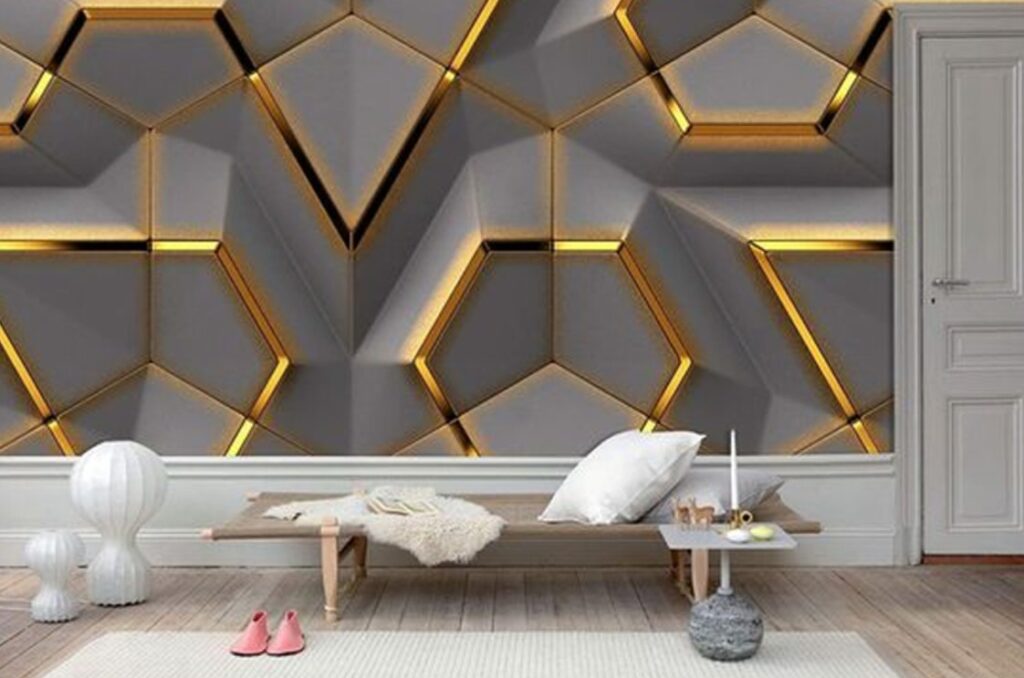
Living rooms can handle larger patterns because they usually provide more viewing distance. A bold floral, abstract mural or architectural print can work well behind a sofa, fireplace or television unit. When the furniture already contains several colours and patterns, a textured neutral wallpaper may provide a better background. Dark wallpaper can create a cosy atmosphere, while pale designs generally keep the space feeling open.
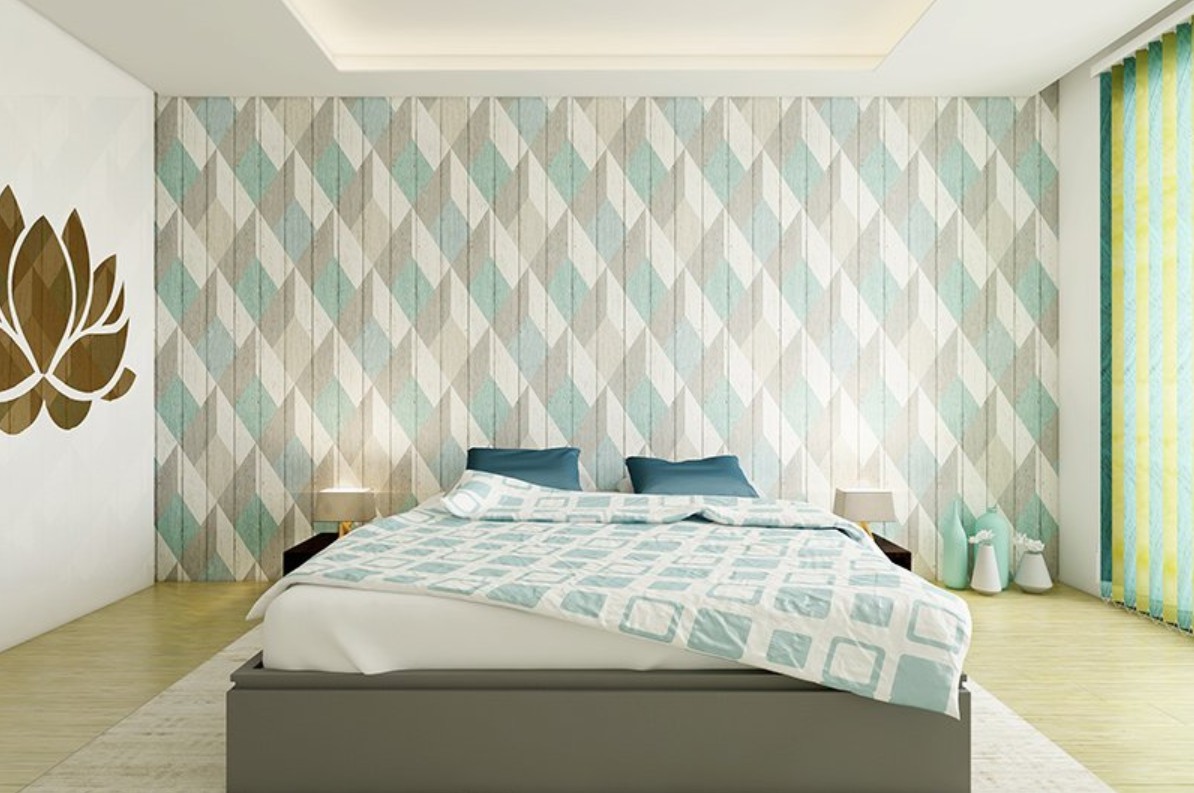
Bedrooms usually benefit from softer colours and less visually demanding patterns. Small florals, gentle botanicals, linen effects and muted geometric designs can create a restful setting. Better Homes & Gardens recommends balancing busy bedroom wallpaper with larger areas of solid colour, such as simple bedding or an upholstered headboard, so the eye has somewhere to rest.
Dining rooms, entrances and powder rooms allow more experimentation. These spaces are not occupied continuously, so deeper colours or theatrical prints are less likely to become tiring. A ceiling covered in wallpaper can also create an unexpected feature, particularly in a small room. Bedrooms for children can use playful illustrations, but a design that can adapt as the child grows usually provides better long-term value.
Bathrooms and kitchens require additional care. Vinyl-coated paper and solid vinyl coverings are easier to clean and generally more suitable for demanding areas than delicate untreated paper. The Wallcoverings Association describes vinyl-coated wallpaper as scrubbable and suitable for most areas. Even so, wallpaper should not replace tile or another waterproof surface inside a shower or directly behind a heavily splashed sink. Good ventilation remains essential in humid rooms.
How Do You Choose the Right Colour and Pattern?
Begin with the room’s natural light and existing furnishings. Cool colours such as blue, green and violet can make a room feel more spacious, while warm reds, oranges and yellows create a more intimate effect. Pale or slightly reflective designs can help brighten a dark hallway. Deep colours absorb more light and can make a large room feel enclosed and comfortable.
Pattern scale is equally important. Small repeating motifs often appear calmer from a distance and can help compact rooms feel more open. Large-scale patterns create drama and may make a room feel more intimate. Vertical stripes emphasise height, while horizontal designs can make a narrow wall appear wider. These are useful visual effects, but they should not override the proportions and architectural features of the actual room.
Before ordering full rolls, obtain a sample and view it on different walls during the morning, afternoon and evening. Artificial light can change the appearance of colour considerably. Compare the sample with curtains, flooring, upholstery and painted trim. Repeating one or two wallpaper colours elsewhere in the room will help the design feel connected rather than added as an isolated feature.
Which Wallpaper Material Should You Select?
Traditional paper wallpaper offers a wide range of patterns but generally needs careful installation. Non-woven, paste-the-wall products are often easier to handle because adhesive is applied directly to the prepared wall. Graham & Brown notes that this method allows the wallpaper to remain dry during installation, reducing some of the handling difficulties associated with older application methods.
Peel-and-stick wallpaper is useful for renters, temporary decoration and small DIY projects. It can be repositioned during installation and removed more easily than many traditional products. However, it performs best on clean, smooth and properly prepared surfaces. Bubbles, visible seams and weak adhesion are more likely on textured, dusty or uneven walls. Independent product testing also indicates that peel-and-stick products vary noticeably in thickness, durability and seam visibility.
Grasscloth and other natural coverings offer genuine texture and subtle colour variation. Their handcrafted appearance can make a living room, study or formal bedroom feel refined. However, visible panel joins and natural irregularities are part of their character. They are also less suitable for rooms exposed to splashes, stains or frequent touching.
For busy family areas, washable vinyl or vinyl-coated wallpaper is usually more practical. The official Wallcoverings Association material guide explains the main categories and performance characteristics. Always check the manufacturer’s cleaning, fire-safety and room-suitability instructions before purchasing.
How Can You Achieve a Professional Finish?
Wall preparation has a major effect on the result. The surface should be clean, dry and smooth, with loose paint, cracks and old adhesive repaired before installation. Wallpaper will not permanently conceal serious wall damage. In fact, glossy or geometric designs may make uneven surfaces more noticeable.
Measure every wall carefully and allow additional material for trimming, pattern matching and installation errors. The Wallcoverings Association identifies accurate measurement as the most important part of estimating wallpaper quantities. Large repeats and offset matches normally create more waste than plain or randomly matched designs. Rolls should also carry the same batch number because colours can vary slightly between production runs.
Professional installation is worth considering for murals, stairwells, grasscloth, expensive wallpaper or designs with complicated repeats. A skilled installer can plan where seams fall, align patterns around corners and reduce waste. For a DIY project, begin on a simple uninterrupted wall and follow the product’s instructions rather than assuming every wallpaper uses the same adhesive or technique.
Conclusion
The best Room Wallpaper Design for 2026 is one that balances personality with practical use. Botanical prints, murals, rich colours and textured finishes are current choices, while stripes, small florals and neutral surfaces offer greater longevity. Consider the room’s light, proportions, moisture and furniture before selecting a pattern.
A sample, accurate measurements and proper wall preparation can prevent expensive mistakes. Choose a suitable material first, then select the colour and pattern that make the room feel intentional, comfortable and visually balanced.
Frequently Asked Questions
Which wallpaper makes a small room look bigger?
Light colours, small-scale patterns and subtle vertical designs can make a compact room feel more open.
Is wallpaper suitable for every wall in a bedroom?
Yes. A calm pattern can cover the full room, while a bold design may work better on the wall behind the bed.
Can wallpaper be used in a bathroom?
Yes, but choose a moisture-resistant or vinyl product, maintain good ventilation and avoid direct wet zones.
Is peel-and-stick wallpaper better than traditional wallpaper?
It is easier to remove and useful for temporary projects. Traditional wallpaper often offers better long-term durability and a more refined finish.
