
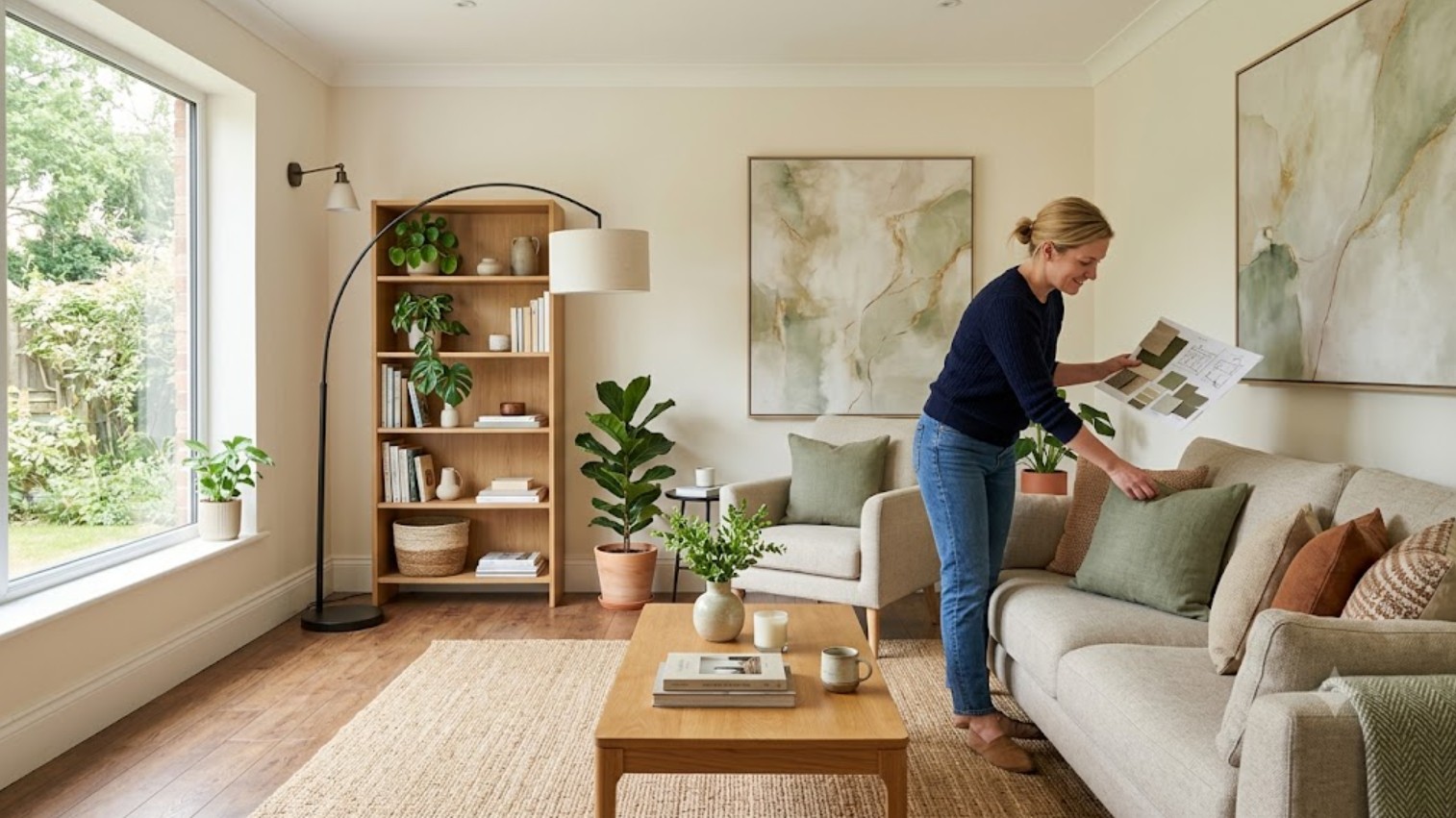
A well-decorated home should make daily life easier, not simply look impressive in photographs. The interior decoration tips MintPalDecor publishes focus on practical choices such as planning the room, controlling clutter, coordinating colours, arranging furniture carefully, and combining several light sources. These ideas are useful because they begin with comfort and function rather than expensive furniture or short-lived trends.
The advice is best understood as a collection of familiar home-decoration principles rather than a separate professional design method. Its value comes from turning broad concepts into manageable actions. A homeowner can measure a room, improve circulation, refresh a colour scheme, or add better task lighting without completing a full renovation. The following tips explain how to apply those ideas in a more considered and reliable way.
Start With the Room’s Purpose and a Realistic Plan
Begin by deciding what the room must do. A family living room may need durable seating, toy storage, television viewing, and space for conversation. A formal sitting room may require fewer seats and more emphasis on presentation. Bedrooms should support rest and storage, while home offices need an effective work surface, suitable lighting, and limited visual distraction. Defining the main activities prevents attractive but impractical purchases.
Measure the walls, windows, doors, fixed fittings, and existing furniture before buying anything new. Sketch a simple floor plan and mark the routes people use to enter, cross, and leave the room. It also helps to set a spending limit and divide it between essential furniture, practical improvements, and decorative accessories. MintPalDecor similarly recommends planning first, measuring furniture, and avoiding purchases that overcrowd the available space.
A mood board can also make the planning stage easier. Collect a small number of images showing colours, materials, furniture shapes, and room styles you genuinely like. Look for repeated details instead of trying to copy one photograph exactly. You may notice that you prefer warm wood, muted colours, curved furniture, or simple fabrics. These patterns can guide your decisions and prevent unrelated purchases.
The plan should remain realistic for the people using the room. A pale sofa may look attractive, but it might not suit a busy household with children or pets. Open shelving can create a light appearance, but it also requires regular organisation. Practical choices create a room that continues to work after the initial decoration is finished.
Build a Balanced Colour and Material Palette
Choose a dominant neutral or restrained colour for the largest surfaces, then add one supporting shade and a smaller accent. This approach creates visual continuity without forcing every item to match. Warm white, beige, soft grey, and muted earth tones are flexible foundations, while navy, terracotta, forest green, or ochre can add contrast through cushions, artwork, rugs, or one feature area.
MintPalDecor recommends pairing calm base tones with stronger accents instead of spreading bold colour across every surface. This is particularly useful when decorating a small room or an open-plan space where several areas can be seen at once. Repeating the same accent colour in two or three locations helps the room feel connected without becoming repetitive.
Colour samples should always be tested in the actual room. Daylight, artificial lighting, flooring, and surrounding materials can make paint appear different from how it looked in a shop or online. Place samples on more than one wall and observe them in the morning, afternoon, and evening before making a final decision.
Material balance matters as much as colour. A room with many hard, reflective surfaces can feel cold even when its palette is attractive. Wood, linen, wool, ceramic, glass, metal, and woven fibres can be combined to create depth. Repeat a few tones or finishes across the room so the result feels connected rather than random.
Arrange Furniture for Comfort, Flow, and Storage
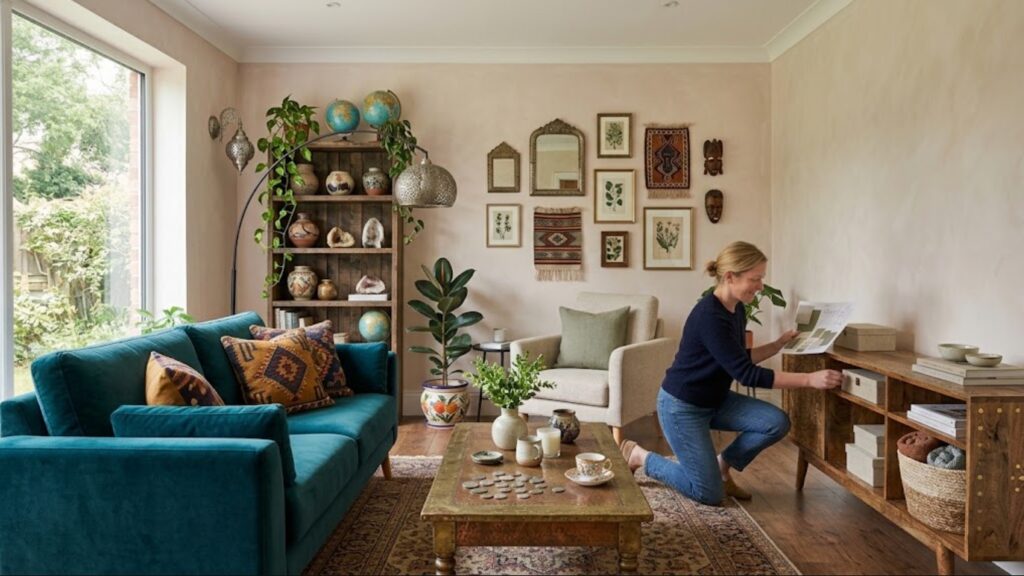
Place the largest essential item first, such as the sofa, bed, or dining table. Position it in relation to the room’s main activity or natural focal point, then add smaller pieces around it. Furniture should support conversation, viewing, sleeping, dining, or work without blocking windows, doors, heating units, or frequently used walkways.
Better Homes & Gardens recommends maintaining about 30 inches of walking clearance around furniture where space allows. It also advises keeping a coffee table approximately 14 to 18 inches from a sofa so it remains accessible without restricting movement. These measurements are useful starting points, although the final layout should respond to the room’s actual dimensions.
Do not assume that every sofa or cabinet must sit against a wall. Floating selected pieces can create a stronger conversation area and help divide an open-plan room into separate zones. A rug can also define a seating or dining area, but it should be large enough to connect the main furniture rather than appearing isolated in the centre.
In smaller homes, choose furniture that performs more than one job. An ottoman with storage, a bench with drawers, nesting tables, a folding desk, or a bed with built-in compartments can reduce the need for additional pieces. MintPalDecor also highlights multifunctional furniture and concealed storage as practical ways to control clutter without sacrificing useful space.
Use Layered Lighting and a Clear Focal Point
A single ceiling fixture rarely provides enough flexibility. Combine ambient lighting for general visibility, task lighting for reading or cooking, and accent lighting for artwork, shelving, or architectural details. Table lamps, floor lamps, wall lights, pendants, and under-cabinet fittings create a more comfortable room when they can be used separately or together.
Natural light should also influence the layout. Avoid blocking windows with tall cabinets or heavy furniture, and select curtains according to how much privacy and light control the room requires. Architectural Digest recommends spreading illumination through several light sources and levels instead of depending only on overhead lighting.
Lighting should support one clear focal point. This might be a fireplace, substantial artwork, distinctive headboard, window view, statement sofa, or textured wall. Arrange nearby furniture and lighting so the eye is guided towards that feature without allowing it to dominate every other element.
The American Society of Interior Designers explains that effective interiors respond to occupants’ needs, functionality, materials, safety, and the wider human experience—not appearance alone. A focal point should therefore improve the room’s character without interfering with movement or everyday use.
Add Personality Through Texture and Affordable Updates
Once the layout, palette, and lighting are working, add character through a limited number of meaningful details. Layer smooth and rough textures, such as timber with linen, glass with woven baskets, or a plain sofa with a tactile throw. This variation gives a neutral room depth without requiring several competing colours or patterns.
Books, family photographs, travel objects, handmade pieces, and original artwork usually create a more convincing home than a large collection of matching accessories purchased at once. MintPalDecor advises choosing a few well-considered decorative items and avoiding excessive decoration that makes rooms feel crowded.
A room can also improve without major spending. Rearrange existing furniture, repaint a small cabinet, replace worn curtains, change lampshades, update cushion covers, or group scattered objects into one deliberate display. Repairing or reusing an existing piece can produce a more personal result than immediately replacing it.
Plants can add shape, texture, and natural colour, but they should be selected according to the room’s available light and the owner’s ability to maintain them. Empty space is equally important. Not every wall, shelf, or corner needs decoration. Leaving some areas open allows the items that remain to have greater visual impact.
Conclusion
The most useful interior decoration tips MintPalDecor recommends are based on sensible preparation. Define the room’s purpose, measure before buying, choose a controlled palette, protect walking space, improve storage, and use several types of lighting. These decisions create a stronger foundation than decorative accessories alone.
A successful interior does not need to be expensive or perfectly matched. It should feel comfortable, support the people who use it, and include enough personality to avoid looking generic. Small, planned improvements usually create better results than buying many unrelated items at once.
Frequently Asked Questions
What should I decorate first in a room?
Start with the room’s function and layout. Position the largest essential furniture pieces before choosing rugs, curtains, artwork, and smaller accessories.
How can I make a small room look less crowded?
Use fewer appropriately sized pieces, maintain clear walkways, add concealed storage, and avoid filling every wall or surface with decoration.
Should every room use the same colour scheme?
Rooms do not need identical colours. However, repeating one or two tones, materials, or finishes can create a natural connection between adjoining spaces.
How can I improve my home on a limited budget?
Rearrange furniture, repaint existing pieces, improve lighting, replace soft furnishings, and reuse decorative objects before purchasing expensive furniture.
